Cornett Consulting Company helps small contractors, fabricators, and industrial shops build the quality and compliance systems their customers are now demanding — without hiring a quality manager.
Circa 2015
A general contractor sends over a prequalification packet. Or a customer mentions ISO 9001. Or your insurer asks for documentation you've never had to produce.
You look at it and realize there's no good answer. The knowledge is real — it's in your head, and in the heads of two guys who've been with you fifteen years. It just never been written down.
Or you do have something. A manual somebody wrote in 2019, a binder a consultant left behind, a system you inherited when you bought the place. It exists. It just doesn't match how the work actually gets done, nobody follows it, and it didn't hold up the last time somebody looked closely.
Either way the packet sits on the desk, and a job you were qualified to do goes to somebody else.
Circa 2020
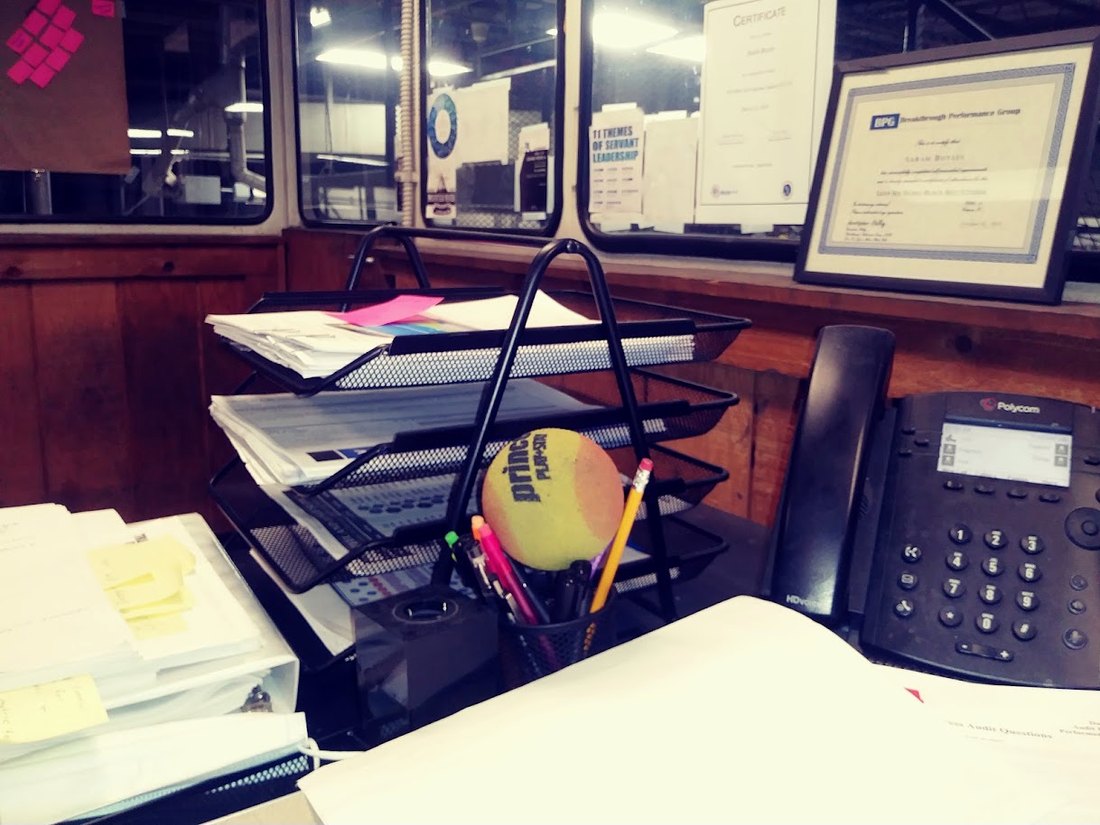
This is where it actually lives. Not in a system — in trays, on a corkboard, in a drawer, and in the head of whoever has been here longest.
None of that's a failure, it's how a business that grew fast keeps moving. It only becomes a problem the day somebody asks you to prove it.
An SB-RCOMThe SB-RCOM Readiness Assessment — $750. Half a day on your floor and a written report a week later. It tells you which gaps you have, which ones matter, what it takes to close them, and roughly what that costs.
Starting from nothing and starting from something broken are different jobs, and the assessment handles both. If you already have a system, part of what you get is an honest read on what's worth keeping — because usually some of it is.
You keep the report whether or not you ever hire us again. If you do go further, the $750 comes off the price.
Typically 5 to 50 employees, usually with no full-time quality manager, and usually the owner is the one dealing with this at nine o'clock at night.
Some have nothing written down, some have a system that looked fine until somebody audited it. Both are normal and neither one is anything to be embarrassed about.
Circa 2013
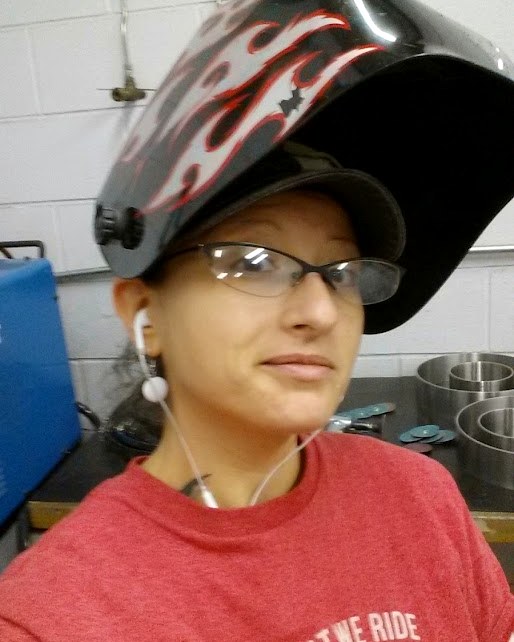
I welded for twenty years — ONET, WABO, and NADCAP certified, in shops that had to hold ISO certification. I know what a quality system feels like from the receiving end, including the bad ones.
Then I moved into quality systems and did the other side of it: audits, controlled documentation, corrective actions, the whole apparatus.
Before founding Cornett Consulting Company, I took a Cincinnati manufacturer from nothing documented to certified against ISO 9001 in ninety days.
Circa 2012
I was the one being inspected for twenty years. I know which parts of a quality system are real work and which parts are somebody covering themselves — and I know what it feels like to be handed a procedure written by someone who has never done the job.
That's the difference between a system people follow and a binder nobody opens.
No forms to fill out first, no slide deck. You tell me what's being asked of you.
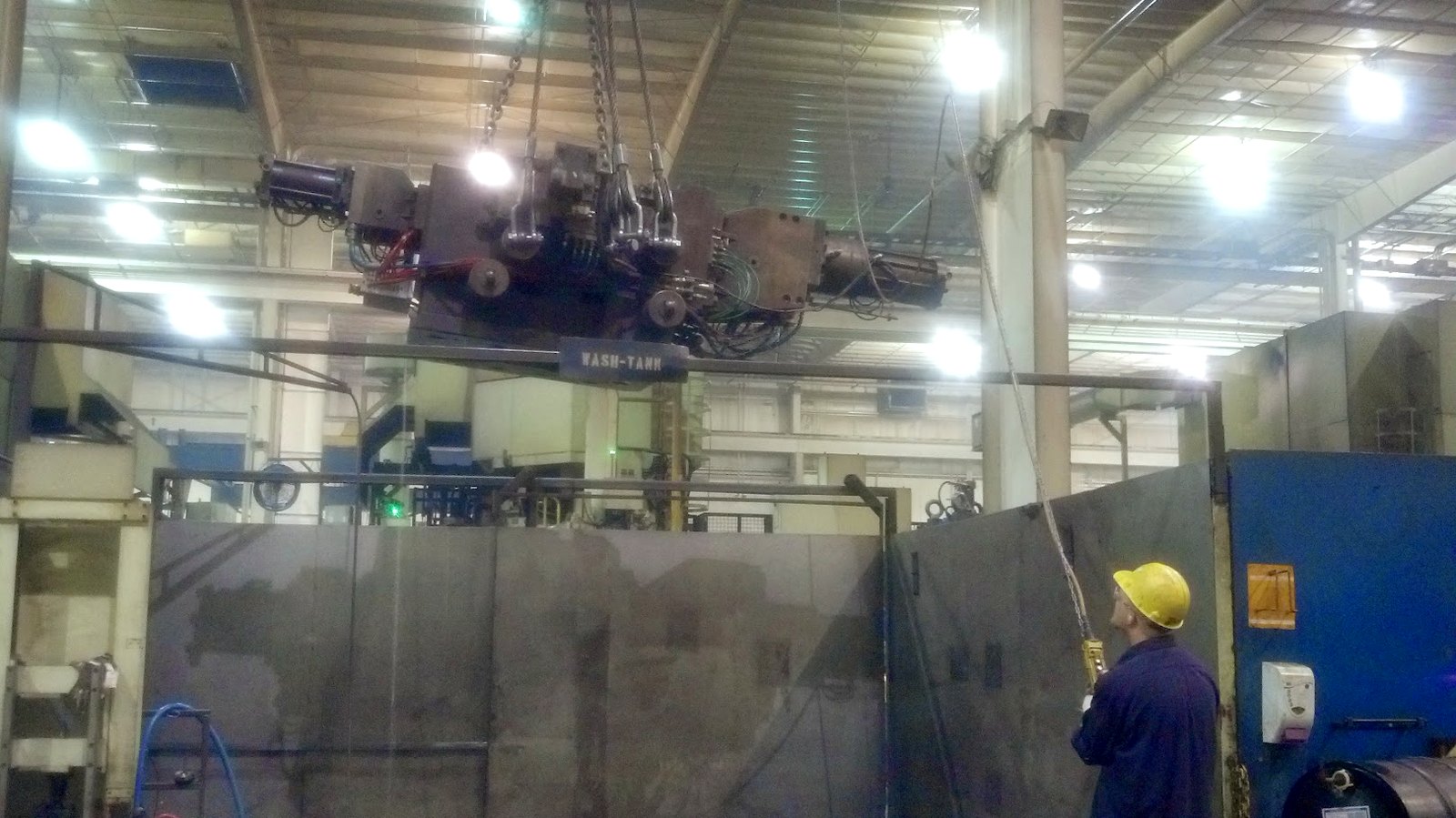
I walk your shop or your job, look at what you actually have, and talk to the people doing the work.
Inside ten business days. Gaps, ranked. A path, in order. Plain English.
Fix it yourself with the report as your map, or bring us in to build it with you.
If a customer has asked you for something you couldn't produce, that problem doesn't get smaller on its own. Fifteen minutes on the phone and you'll know whether this is worth anything to you.